Sound and Light at Play: How Digital Control Shapes the Atmosphere in Casinos


Sound and Light at Play: How Digital Control Shapes the Atmosphere in Casinos
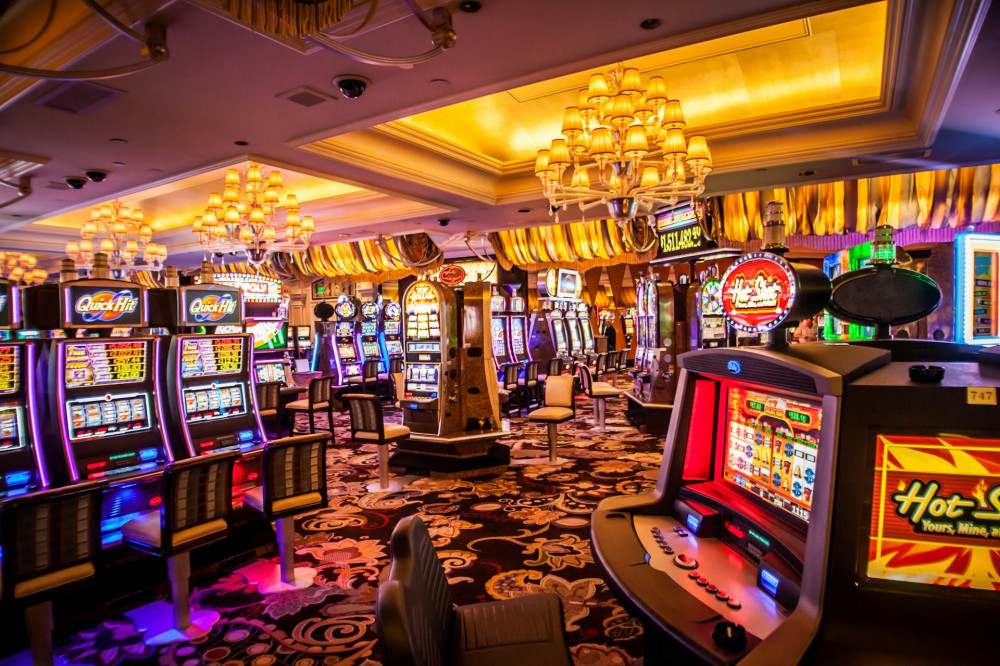
Step into a casino—whether on the Las Vegas Strip or on your phone—and you’re immediately immersed in a world of sensory stimulation. Lights flash, music pulses, and the sounds of spinning reels and cheering players fill the air. None of this happens by chance. Behind the spectacle lies a carefully orchestrated system of digital controls that manage sound and light to influence mood, focus, and excitement.
As technology advances, this orchestration becomes increasingly precise. It’s no longer just about turning up the volume or dimming the lights; it’s about creating a dynamic environment that can shift in real time to match the rhythm of play.
Light as an Architect of Emotion
Lighting has always been central to the casino experience. The neon glow of Las Vegas is iconic, but modern casinos—both physical and online—use far more sophisticated systems. Digital lighting controls can instantly change color, intensity, and pattern. When a player hits a jackpot, the surrounding lights might burst into warm golds and reds; during quieter moments, the tones soften to cooler hues.
Online casinos use similar visual cues. Animated color shifts and glowing effects mimic the physical casino atmosphere, giving players a sense of presence and energy even through a screen.
Color psychology plays a key role. Warm colors like red and orange can heighten excitement and urgency, while blues and greens promote calm and focus. By blending these tones, casinos maintain engagement without overwhelming the senses.
The Invisible Power of Sound
Sound is one of the most potent tools for shaping emotion. Casinos are rarely quiet—and that’s intentional. Background music is chosen to match the tempo of play, creating a rhythm that keeps players in motion.
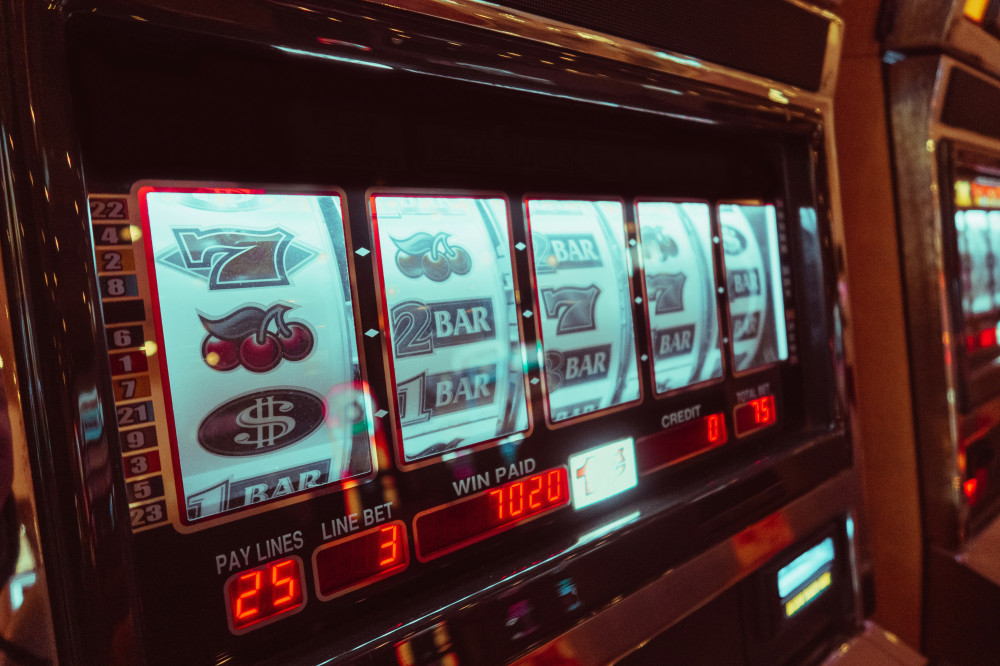
Today’s digital audio systems can adapt automatically. When multiple players win at once, the system might amplify celebratory sounds and triumphant melodies. During slower periods, the music softens to encourage concentration. Even the smallest effects—the clink of coins, the shuffle of cards—are engineered to trigger a sense of reward and anticipation.
In online gaming, synthetic sound effects replicate these cues with digital precision, enhancing immersion and excitement.
Real-Time Digital Control
What truly distinguishes modern casinos is the integration of real-time digital management. Networked sensors and software systems allow centralized control of both sound and light. A casino floor can automatically adjust brightness and volume based on crowd density. If an area becomes crowded, lighting may dim slightly to create intimacy, while sound levels are balanced to prevent sensory overload.
Online platforms use similar logic through algorithms that analyze player behavior. If a player has been active for a long session, the system might subtly shift the music’s tempo or adjust color schemes to maintain engagement—or to suggest it’s time for a break.
Where Technology Meets Psychology
Behind these systems lies a deep understanding of human psychology. Casino designers aim to sustain a state of “flow”—a mental zone where players are fully absorbed in the experience. Sound and light are tuned to support this state, maintaining excitement without interruption.
At the same time, ethical considerations are gaining importance. Many casinos now use digital tools to promote responsible gaming. Systems can detect extended play sessions and respond by softening the lighting or changing the soundtrack to encourage rest and reflection.
The Future of the Casino Experience
The next frontier is personalization. With artificial intelligence and the Internet of Things (IoT), casinos can tailor environments to individual preferences. Imagine walking into a casino where the system recognizes you and adjusts the lighting and music to your taste—or an online platform that adapts its visual and audio cues to your playing style.
Virtual reality (VR) and augmented reality (AR) are also expanding the possibilities. In these immersive spaces, light and sound can respond to a player’s movements in real time, creating a fully interactive sensory world.
Læs også:


A Game for All the Senses
Sound and light are far more than decoration in the world of gaming—they’re integral to the experience itself. Through digital control, casinos craft atmospheres that engage, entertain, and captivate.
When used thoughtfully, this technology transforms casinos—physical or virtual—into spaces where the thrill of play is as much about the experience as it is about the win.
Læs også: