From Prohibition to Legalization: Countries’ Changing Attitudes Toward Casinos

From Prohibition to Legalization: Countries’ Changing Attitudes Toward Casinos
For centuries, casinos have been surrounded by fascination, moral debate, and political controversy. Once banned and associated with crime in many parts of the world, they have now become a mainstream part of the entertainment industry—both in physical venues and online. Yet the path from prohibition to legalization has been long and varied. This article explores how attitudes toward casinos have evolved and what forces have driven that change.
From Vice to Regulation
Throughout much of the 19th and 20th centuries, gambling was viewed as a moral threat. Governments across the world saw casinos as breeding grounds for addiction, fraud, and social decay. In countries like the United States, the United Kingdom, and Canada, gambling was either outlawed or heavily restricted for decades.
But prohibition had an unintended consequence: it pushed gambling underground. Illegal betting rings and organized crime thrived, especially in major cities. As authorities realized that gambling wasn’t disappearing—just moving out of sight—many began to consider a new approach: regulation instead of prohibition.
The American Turning Point: Las Vegas and Beyond
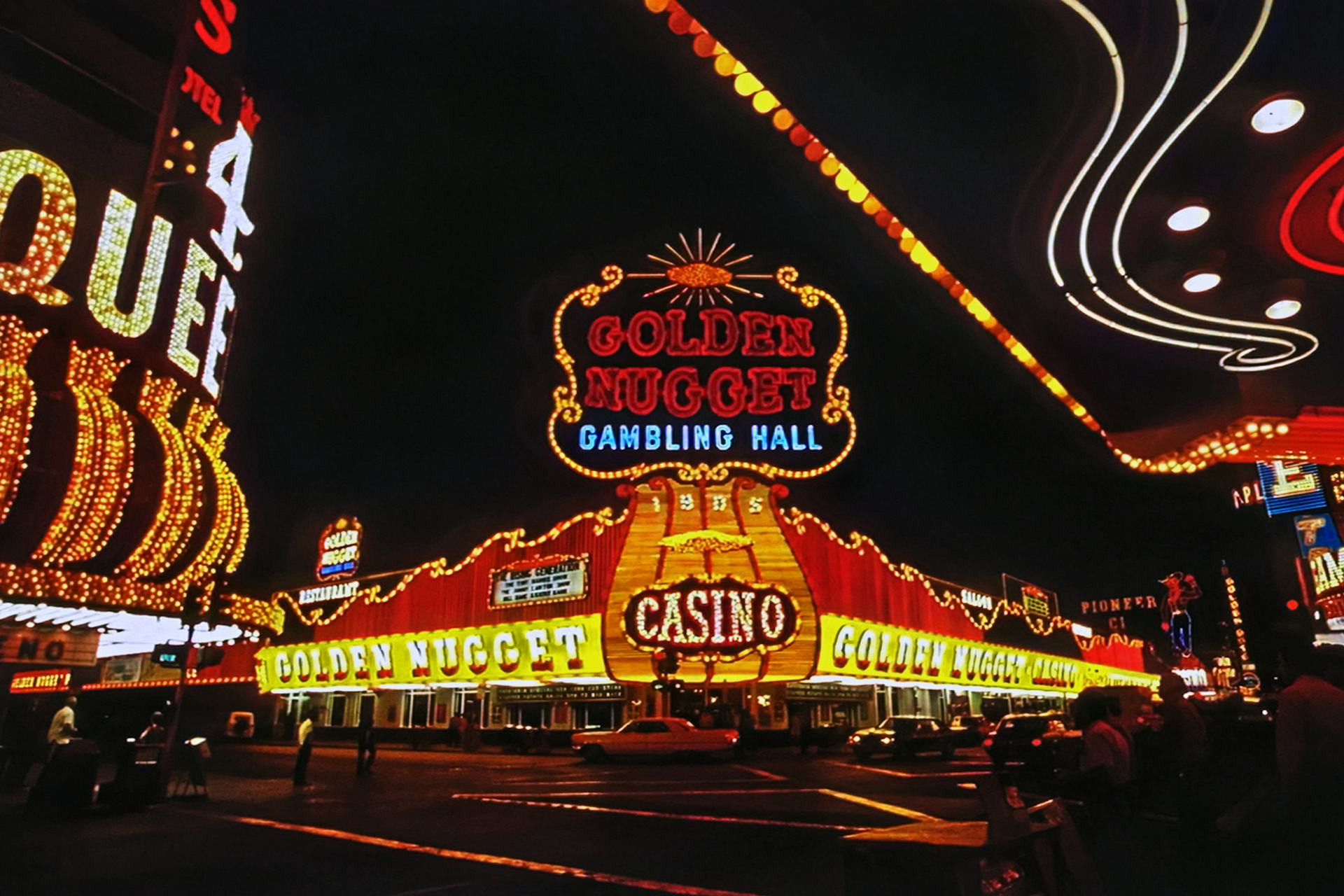
One of the most iconic examples of legalization’s impact is Las Vegas. In 1931, during the Great Depression, the state of Nevada legalized casino gambling as part of an effort to boost the economy. What followed was the birth of a new industry that blended gaming, entertainment, and tourism.
Las Vegas quickly became a symbol of freedom, excess, and opportunity—but also of the challenges that come with it. The city created thousands of jobs and generated massive tax revenues, yet it also became linked to organized crime and social issues. Over time, however, the “Vegas model” proved that regulated gambling could be a powerful economic engine. Other states took notice, leading to the rise of Atlantic City in the 1970s and, more recently, the spread of tribal and commercial casinos across the country.
Today, more than 30 U.S. states have legalized some form of casino gambling, and the industry contributes billions of dollars annually to state and local economies.
Europe: Gradual Liberalization
In Europe, the shift toward legalization has been more gradual. Many countries, including France, Sweden, and Denmark, long maintained state monopolies on gambling. The goal was to protect consumers and ensure that profits supported public causes.
However, the rise of the internet and the European Union’s single market made it increasingly difficult to enforce national boundaries on gambling. Private operators began offering online casinos from abroad, and pressure to liberalize grew. Countries like Denmark responded by introducing licensing systems that allowed private companies to operate legally under strict regulations. The result has been a more transparent market where governments retain oversight while consumers enjoy greater choice.
Asia: Strict Rules and Strategic Exceptions
In Asia, the picture is more complex. Many countries, including China and Japan, maintain strict prohibitions on gambling. Yet there are notable exceptions where casinos have been used as tools for economic development.
Macau, a former Portuguese colony, is the most striking example. When it liberalized its casino industry in 2002, growth exploded. Today, Macau’s casinos generate more revenue than those in Las Vegas, and the region has become a hub for luxury tourism. Still, the boom has brought challenges such as money laundering and gambling addiction—reminders that legalization requires constant oversight.
Singapore has followed a similar path, allowing a limited number of integrated resorts under tight regulation to attract tourism while minimizing social harm.
The Digital Revolution: Online Casinos
The most dramatic transformation in recent decades has been the rise of online gambling. The internet has made it possible to play from home, at any hour, and from almost anywhere in the world. This has blurred traditional boundaries of control and taxation.
Countries have responded in different ways. Some, like the United States until recently, restricted online gambling heavily. Others, such as the United Kingdom and Malta, created licensing systems that balance open competition with consumer protection. In the U.S., the 2018 Supreme Court decision allowing states to regulate sports betting has opened the door to broader online gaming markets, signaling a new era of digital gambling.
Læs også:


Balancing Freedom and Responsibility
Today, legalized casinos are part of mainstream culture, but the debate over their role continues. Supporters highlight the jobs, tax revenue, and consumer protections that come with regulation. Critics warn of addiction, debt, and social inequality.
The challenge for the future lies in finding the right balance between freedom and responsibility—between allowing adults to make their own choices and protecting those who are vulnerable. The lessons of the past century suggest that prohibition rarely works, but effective regulation requires constant adaptation to new technologies and cultural shifts.
Læs også: