From Number Game to Tradition: Bingo’s Journey Across Cultures and Generations

From Number Game to Tradition: Bingo’s Journey Across Cultures and Generations
From church basements to smartphone screens, bingo has traveled a long and colorful road. What began as a simple number game in 16th-century Italy has evolved into a global pastime that bridges generations, cultures, and communities. But how did bingo transform from a game of chance into a beloved social tradition that continues to thrive in the United States and beyond?
From Italian Lottery to American Classic
Bingo’s story starts with Il Gioco del Lotto d’Italia, a lottery played in Italy as early as 1530. The game spread across Europe, taking on new forms in France and Germany, where it was even used as a teaching tool to help children learn numbers and spelling.
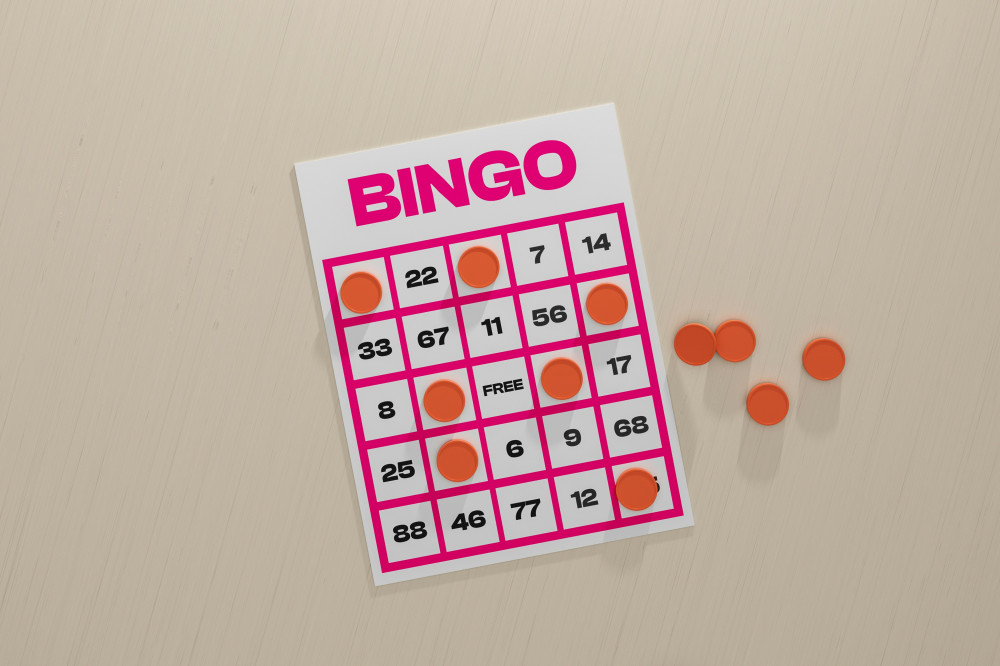
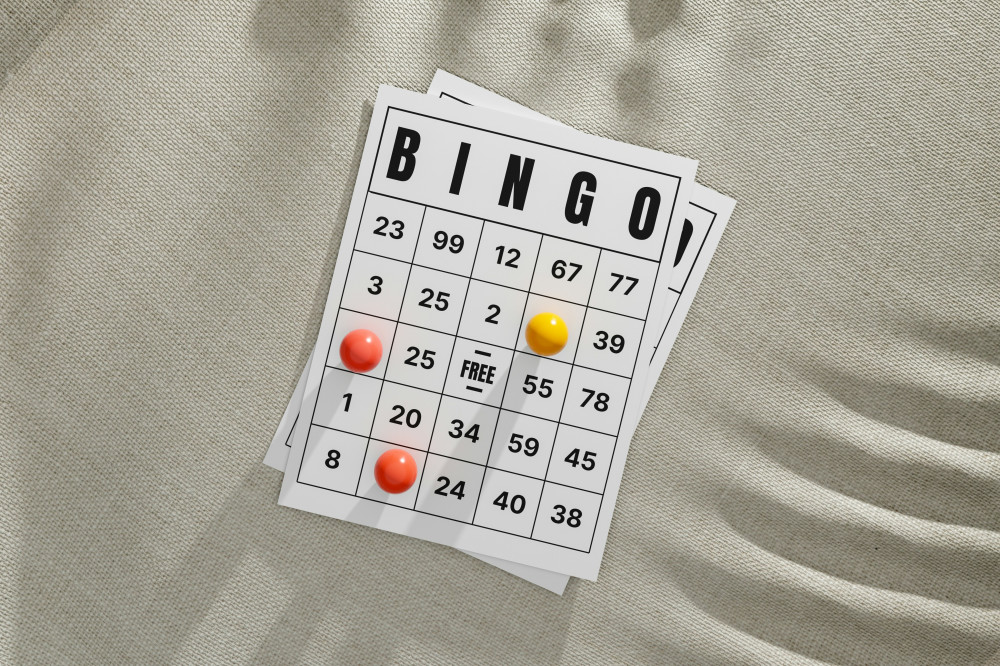
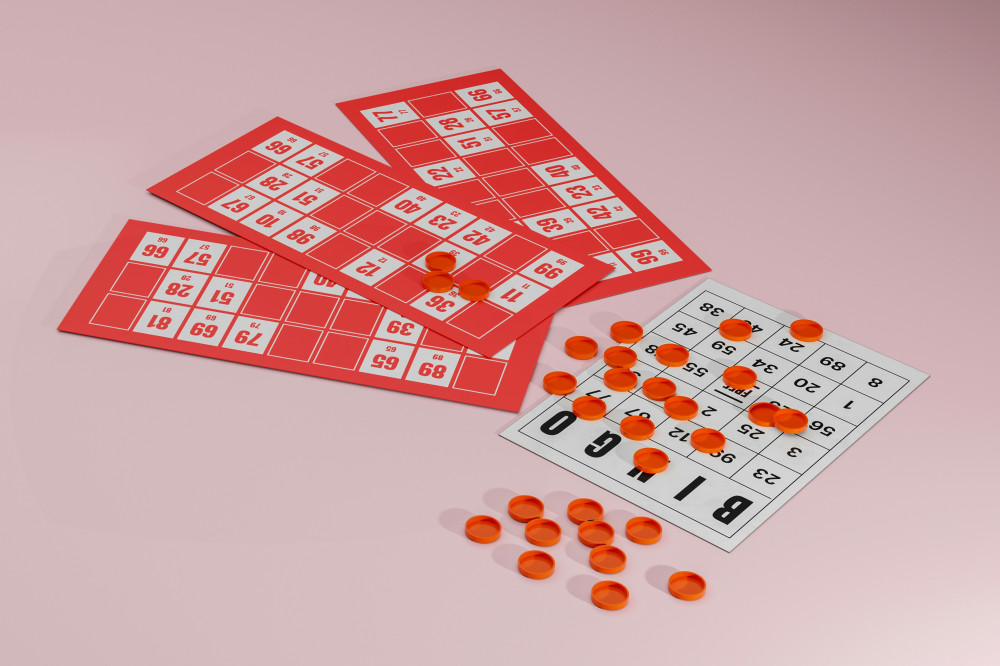
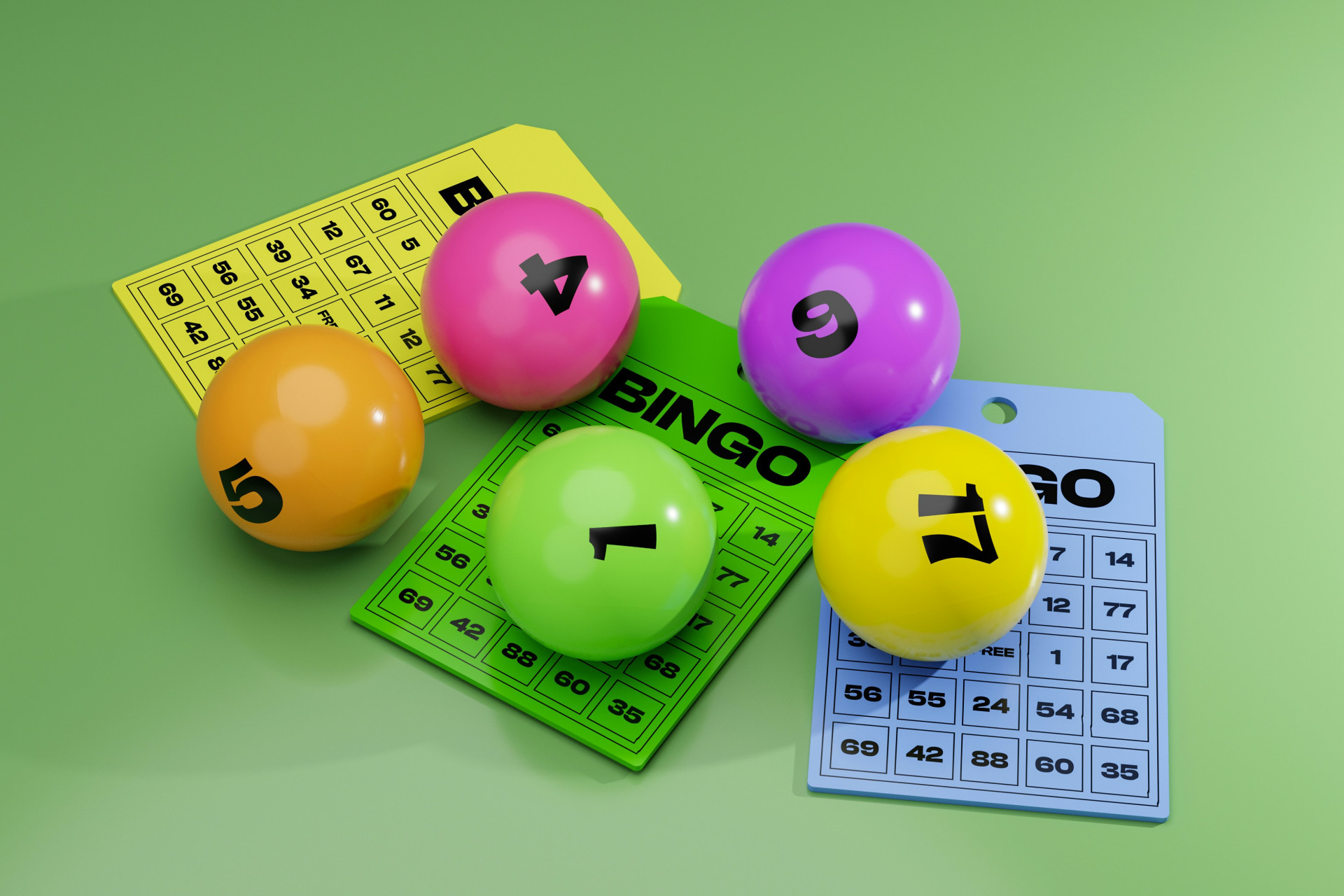
The version Americans know today took shape in the 1920s. A New York toy salesman named Edwin S. Lowe encountered a game called “Beano” at a carnival in Georgia. Players marked numbers on cards with beans and shouted “Beano!” when they won. Legend has it that one excited player accidentally yelled “Bingo!” instead—and the name stuck. Lowe saw the game’s potential, refined its design, and began selling bingo sets nationwide. Before long, churches and community groups adopted it as a fun way to raise funds, and bingo nights became a fixture of American social life.
A Game That Brings Generations Together
Part of bingo’s enduring charm lies in its simplicity. Anyone can play—no special skills required, just a bit of luck and a willingness to join in. For many families, bingo has become a holiday or reunion tradition, a game that unites grandparents, parents, and children around the same table. For older generations, it recalls the excitement of local bingo halls and community gatherings; for younger players, it’s a nostalgic, low-pressure way to connect.
In small towns and big cities alike, bingo has long served as a social glue. Whether played in a church hall, a veterans’ club, or a senior center, it offers a sense of belonging and shared experience that few other games can match.
Læs også:



From Paper Cards to Pixels – Bingo’s Digital Transformation
As technology advanced, bingo adapted. The rise of the internet brought the game into the digital age, with online bingo sites and mobile apps allowing players to join games anytime, anywhere. These platforms have introduced bingo to a new generation—one that might never have set foot in a traditional hall.
Online bingo has also reinvented the game’s social side. Chat rooms and virtual communities let players talk, celebrate wins, and form friendships across distances. In many ways, the digital version preserves the same spirit of connection that has always defined bingo—just in a new format.
Bingo in American Culture
Bingo has earned a special place in American popular culture. It appears in movies, TV shows, and even comedy routines, often as a symbol of community, humor, and everyday life. Beyond entertainment, bingo has been used for education, fundraising, and therapy. Schools have adapted it for learning activities, while charities continue to rely on bingo nights to support local causes.
In the U.S., bingo is more than a pastime—it’s a cultural touchstone. From Native American reservations hosting high-stakes games to small-town church fundraisers, it reflects the country’s diversity and its love of shared experiences.
A Tradition That Keeps Evolving
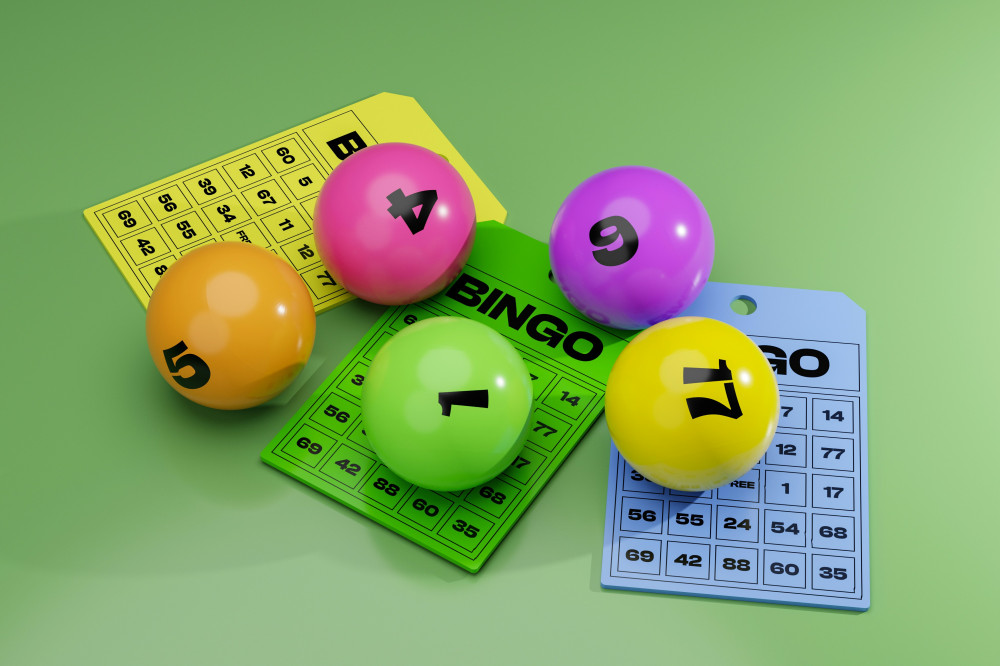
Though its roots stretch back nearly five centuries, bingo has shown a remarkable ability to evolve with the times. From paper cards and numbered balls to digital screens and virtual rooms, the essence remains the same: the anticipation of the next number and the joy of sharing the moment with others.
Bingo is not just a game—it’s a living tradition. It has survived wars, economic shifts, and technological revolutions, all while continuing to bring people together. Perhaps that’s the real secret to its longevity: bingo isn’t only about winning; it’s about belonging.
Læs også: