Bingo for Kids: Adjust the Pace and Difficulty so Everyone Can Join In

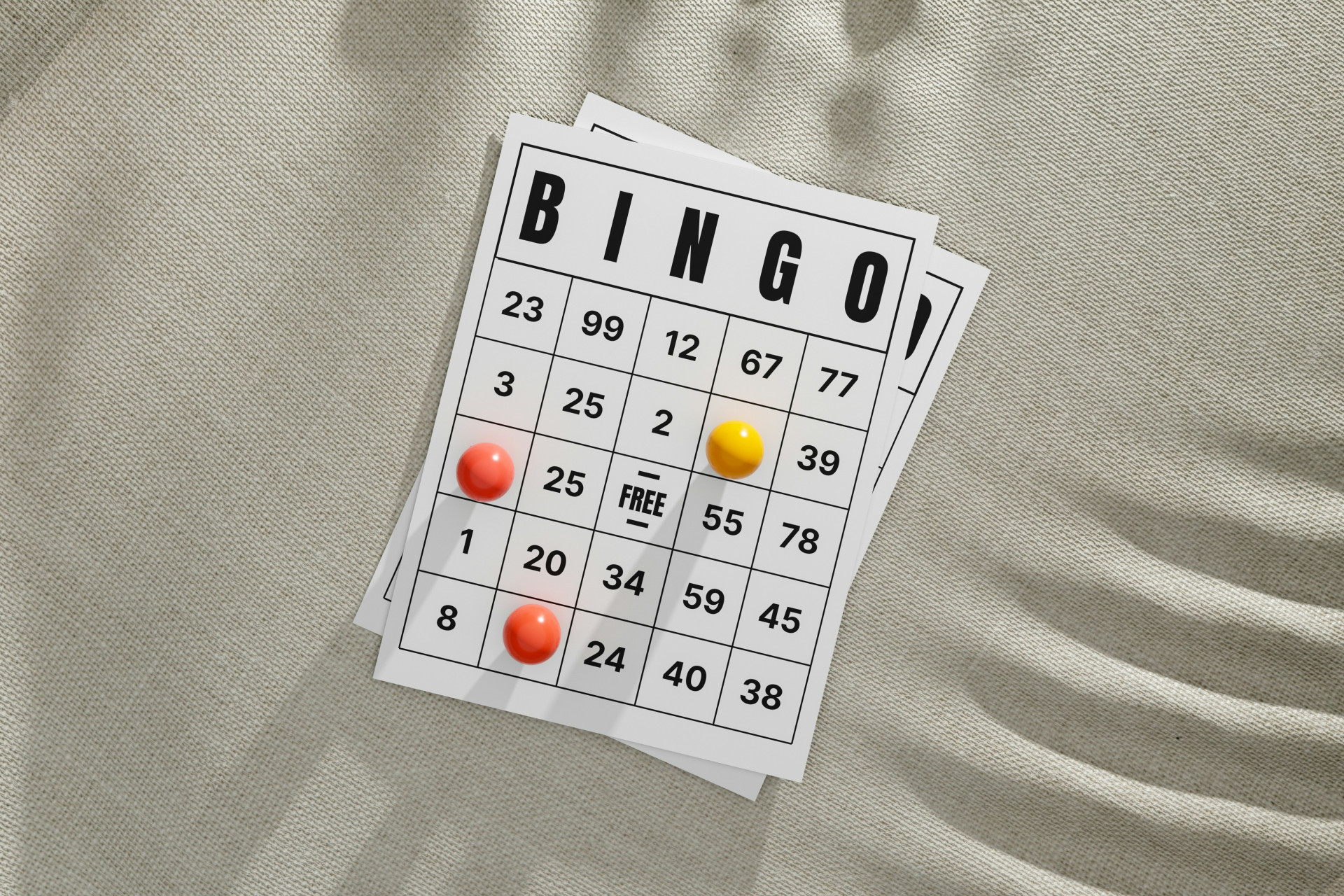
Bingo for Kids: Adjust the Pace and Difficulty so Everyone Can Join In
Bingo is a classic game that brings people together—kids, parents, and even grandparents. It’s easy to set up, requires almost no equipment, and can be adapted for any age group. With a few simple tweaks, you can make bingo fun, educational, and inclusive for every child, no matter their age or attention span.
Why Kids Love Bingo
Bingo combines excitement, luck, and recognition—three things kids naturally enjoy. It’s quick to learn, easy to play, and can be used for everything from family game night to classroom activities or birthday parties. While playing, kids practice number recognition, focus, and patience—without even realizing they’re learning.
For younger children, the joy comes from spotting familiar pictures or numbers. Older kids enjoy the thrill of competition and the satisfaction of shouting “Bingo!” first.
Adjust the Pace to Match the Age Group
The speed of the game can make or break the experience. Too fast, and younger kids get lost; too slow, and older ones lose interest.
- Ages 3–6: Keep it slow and simple. Use picture cards instead of numbers—animals, colors, or shapes work great. Repeat each call a few times and give kids plenty of time to find the match.
- Ages 7–10: You can pick up the pace a bit. Use numbers up to 50 or 75, and let kids mark their own cards. Rotate the role of “caller” so everyone gets a turn to lead.
- Tweens and teens: Add more challenge with faster calls, larger grids, or bonus rounds like “four corners” or “X bingo.” Small prizes or bragging rights can keep things exciting.
By adjusting the tempo, you make sure no one feels left behind or bored—and everyone stays engaged.
Læs også:


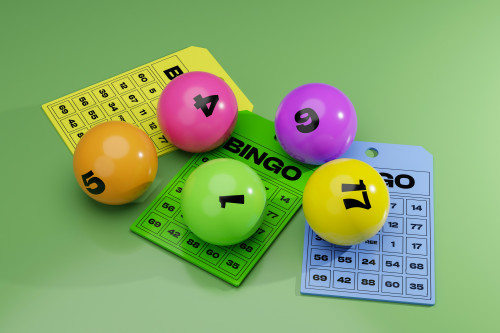

Add Themes to Keep It Fresh
A themed bingo game can turn a simple activity into something special. Themes make the game more visual, imaginative, and fun.
- Animal Bingo: Use pictures of animals instead of numbers. When an animal is called, kids can make its sound.
- Holiday Bingo: Try pumpkins and ghosts for Halloween, snowflakes and gifts for Christmas, or hearts for Valentine’s Day.
- School Bingo: Use letters, sight words, or math problems to make it both entertaining and educational.
Themes help kids connect play with learning and make each game feel new.
Keep Prizes Fun but Low-Pressure
Kids love rewards, but it’s important to keep the focus on fun rather than competition. Prizes don’t have to be big or expensive.
Try:
- Stickers or small toys.
- A “choose the next game” card.
- An extra turn in the next round.
You can also make it a group win, where everyone celebrates together—maybe with a silly dance, a song, or a quick team game. That way, no one feels left out, and the focus stays on shared fun.
Let Kids Create Their Own Bingo Cards
One of the best ways to get kids invested is to let them design their own bingo cards. Give them paper, markers, and stickers, and let them fill in their own numbers or pictures. It’s a creative activity that makes the game more personal—and kids love seeing their creations in action.
If you’re short on time, there are plenty of free printable templates online that you can customize for your group.
Use Bingo as a Learning Tool
Bingo isn’t just for fun—it’s also a great educational tool. Teachers and parents can use it to reinforce lessons in a playful way.
Examples:
- Math Bingo: Use simple equations like “2 + 3” or “10 – 4,” and have kids find the answer on their cards.
- Word Bingo: Use vocabulary words or sight words for reading practice.
- Nature Bingo: Take the game outside and have kids find real-world items like a leaf, a bird, or a flower.
This turns bingo into a hands-on learning experience that keeps kids active and curious.
Create a Cozy, Inclusive Atmosphere
At its heart, bingo is about connection. Set the mood with some background music, snacks, and lots of laughter. Make sure everyone gets a chance to participate, and end the game while the energy is still high.
When kids associate bingo with fun, comfort, and togetherness, they’ll want to play again and again—and that’s what makes this timeless game so special.
Læs også: