From Casino Floor to Online Screen: The Slot Machine’s Digital Transformation


From Casino Floor to Online Screen: The Slot Machine’s Digital Transformation
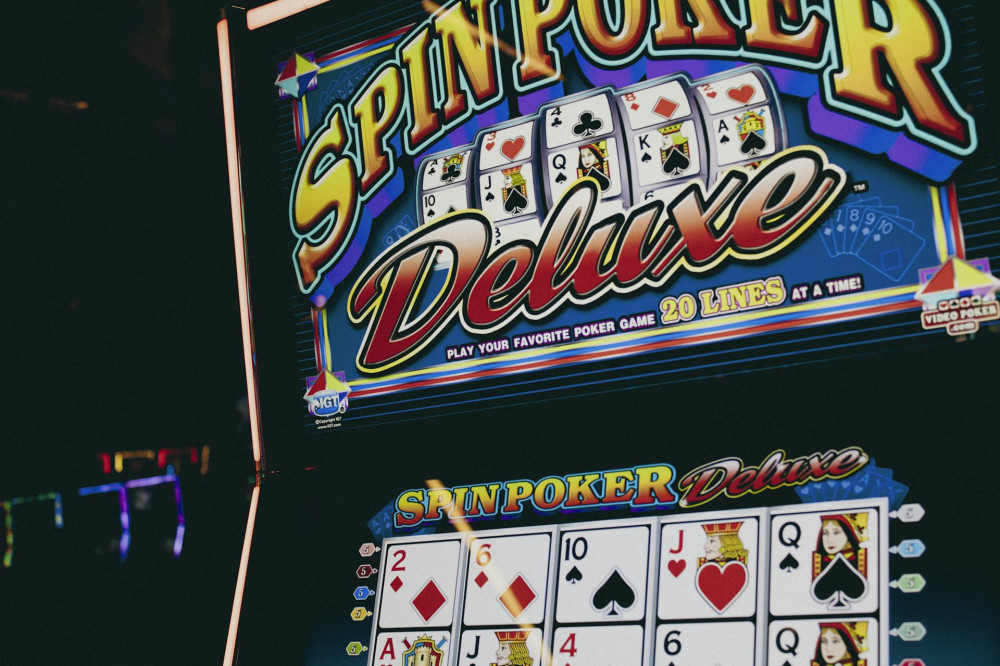
From the flashing lights and ringing coins of Las Vegas casino floors to the colorful animations and digital jackpots on smartphones, the slot machine has undergone a remarkable transformation. In just a few decades, it has evolved from a mechanical device tucked into the corner of a bar to a global online phenomenon accessible from the couch, the subway, or even during a coffee break. But how did this transformation happen, and what does it mean for the way Americans play today?
From Mechanics to Microchips
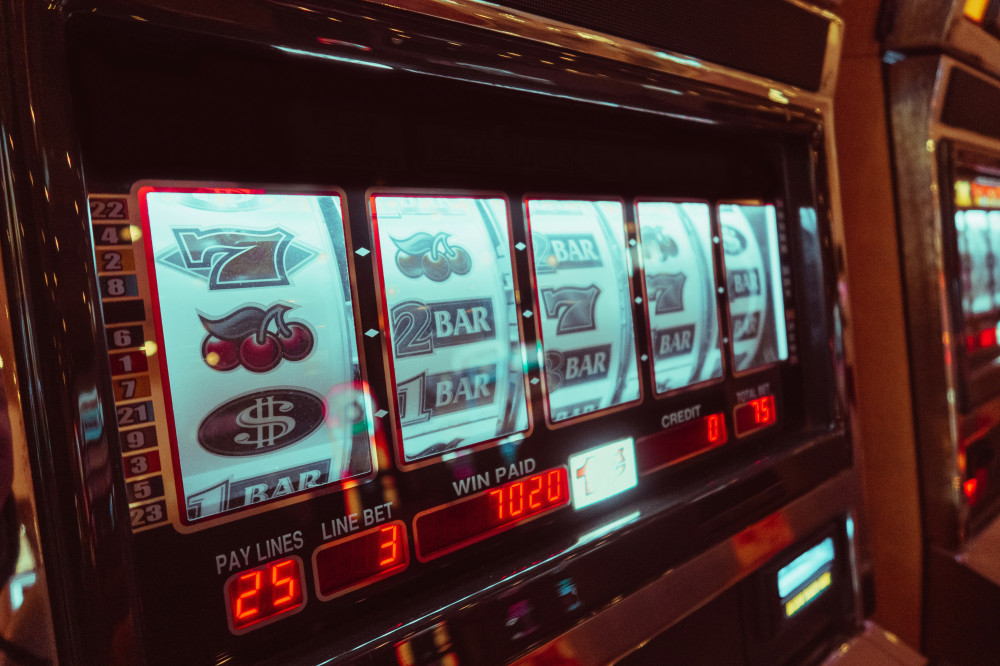
The story of the slot machine begins in the late 19th century. The first true slot, the “Liberty Bell,” was invented by Charles Fey in San Francisco in 1895. It featured three spinning reels and a simple mechanical system activated by pulling a lever. The combination of bells, horseshoes, and card symbols quickly became iconic—and laid the foundation for an entire industry.
By the 1960s and 70s, mechanical machines were gradually replaced by electromechanical models. These allowed for multiple paylines, flashing lights, and sound effects that made the experience more engaging. When microchips and digital displays arrived in the 1980s, slot machines became even more sophisticated—and ready for the next leap: the internet.
The Internet Revolution and the First Online Casinos
When the first online casinos appeared in the mid-1990s, the technology was still in its infancy. Graphics were basic, and internet connections were slow, but the idea of playing from home was revolutionary. Slots quickly became the most popular online games because they were easy to understand and required little interaction.
As internet speeds improved and computers became more powerful, the variety of games exploded. Software developers like Microgaming and Playtech began creating themed slots with storylines, bonus rounds, and 3D graphics. The slot machine was no longer just a game of chance—it became a digital entertainment experience.
The Mobile Gaming Boom
The next major shift came with the rise of smartphones. Today, a large share of all casino gaming in the U.S. happens on mobile devices, and slots are designed to work seamlessly on small screens. Touch controls have replaced the lever, and games are optimized for quick sessions—perfect for a few spins while waiting in line or commuting.
Mobile technology has also enabled “live” gaming, where players can interact with real dealers and other participants, and join progressive jackpots that pool contributions from players around the world. The result is a more social and dynamic experience than ever before.
New Frontiers: VR, Blockchain, and Gamification
The evolution doesn’t stop there. Virtual reality (VR) and augmented reality (AR) are beginning to enter the casino world, promising to bring back the physical casino atmosphere—digitally. Imagine stepping into a virtual casino, walking between machines, chatting with other players, and pulling a lever with a VR controller.
At the same time, some platforms are experimenting with blockchain technology to increase transparency and security. And with “gamification”—where players earn points, badges, and levels—slot machines are becoming part of a broader gaming universe that appeals to a new generation of players.
From Chance to Experience
While the slot machine still relies on randomness, the experience surrounding it has become far more sophisticated. Music, graphics, and storytelling now play a central role in keeping players engaged. Many modern slots draw inspiration from movies, mythology, or pop culture and include missions and bonus games that create a sense of progression.
This evolution has blurred the line between gaming and entertainment. For some, slots remain a casual pastime; for others, they’re part of a digital culture where design, technology, and play merge into one.
Læs også:




A Digital Future with Responsibility
The digital transformation of the slot machine has made gaming more accessible than ever. But with greater accessibility comes greater responsibility. U.S. online casinos and state regulators are increasingly focused on responsible gaming tools that allow players to set limits on time and spending. Transparency and consumer protection are becoming central to the industry’s future.
The slot machine’s journey from the casino floor to the online screen is far from over. As technology continues to evolve, so too will the ways we play—and the understanding that gaming should remain entertainment, not addiction.
Læs også: