Observation as a Strategy: Can Previous Game Rounds Provide Useful Insight?

Observation as a Strategy: Can Previous Game Rounds Provide Useful Insight?
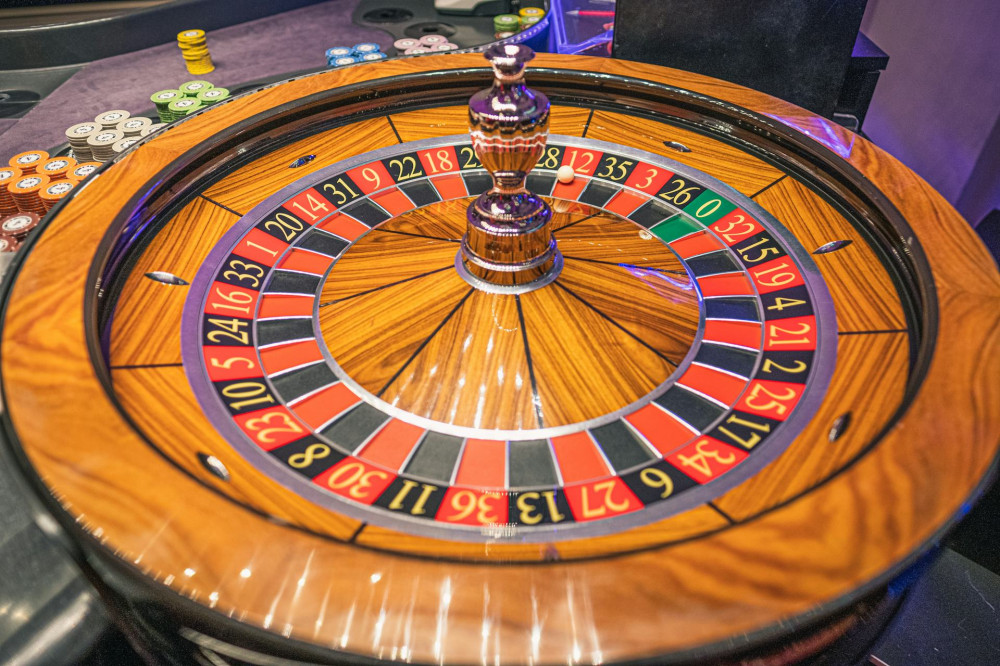
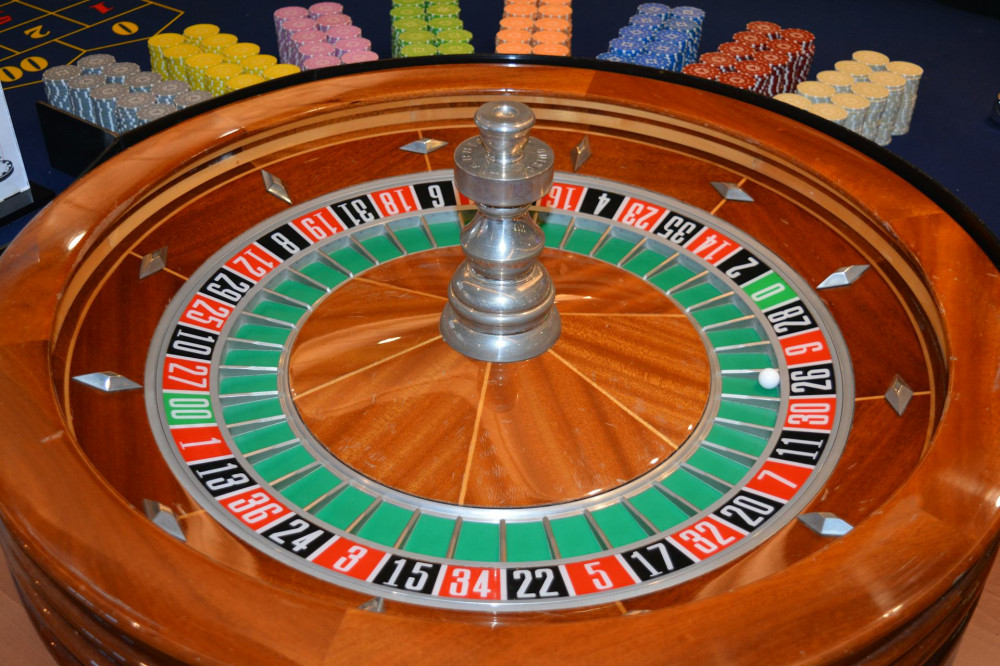
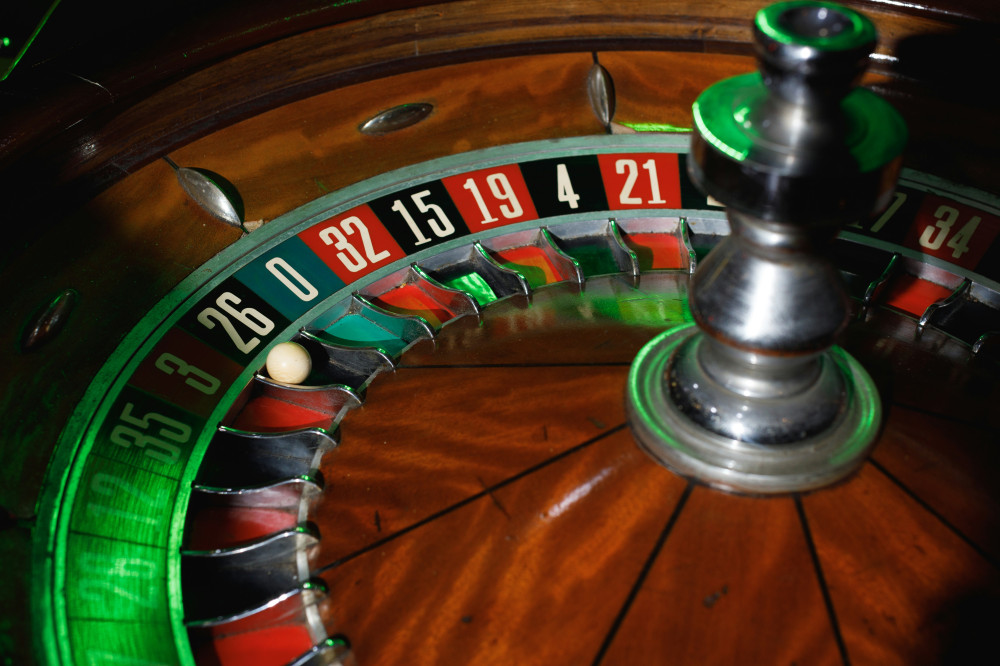
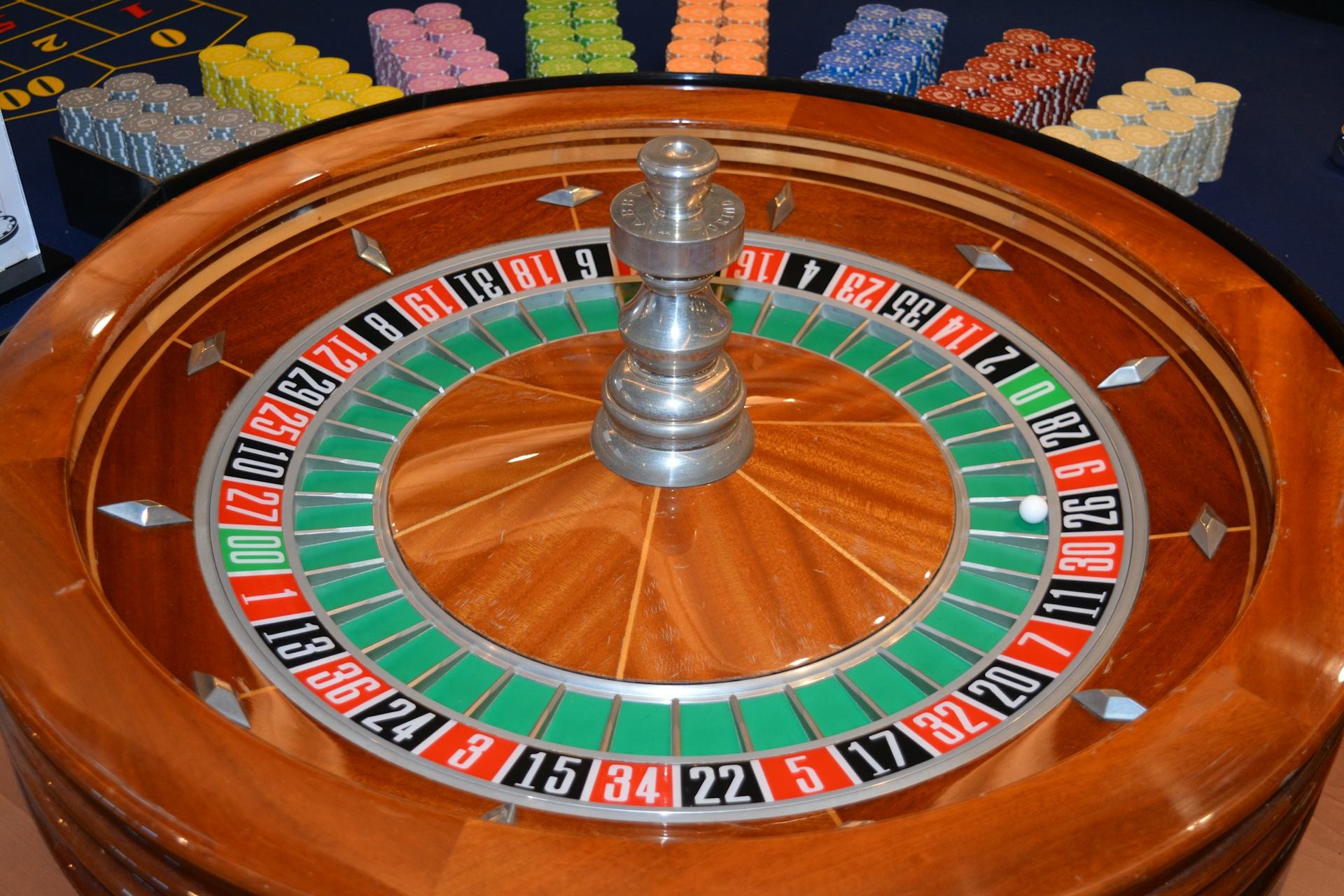
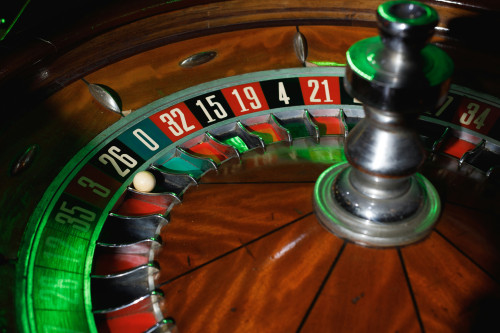
When the wheel spins and the tension builds, it’s easy to believe that a pattern might be hiding in the results. Many players—both newcomers and seasoned gamblers—try to use observation as a strategy: studying previous rounds to spot trends that could offer an edge in the next game. But can watching past outcomes really teach us something useful, or is it just an illusion of control?
The Human Urge to Find Patterns
As humans, we’re wired to look for patterns. It’s how we make sense of the world. When a roulette wheel lands on red several times in a row, it can feel as though black is “due” next. This belief is known as the gambler’s fallacy—the mistaken idea that past results influence future ones, even when each spin is completely independent.
Still, this instinct to find connections is what makes observation so compelling. Even if the outcomes in a game like roulette are random, observing them can reveal something valuable—not about the game itself, but about our own reactions and decision-making.
Observation as Learning, Not Prediction
Watching previous rounds can be useful if it’s treated as a tool for self-awareness rather than prediction. By reviewing how you’ve played before, you might notice patterns in your own behavior: Do you take bigger risks after a win? Do you chase losses by increasing your bets? Or do you let the energy of the table influence your choices?
This kind of observation isn’t about predicting where the ball will land next—it’s about understanding yourself. That awareness can help you make more deliberate decisions and avoid impulsive moves that often lead to losses.
Læs også:
Probability and the Hard Truth of Chance
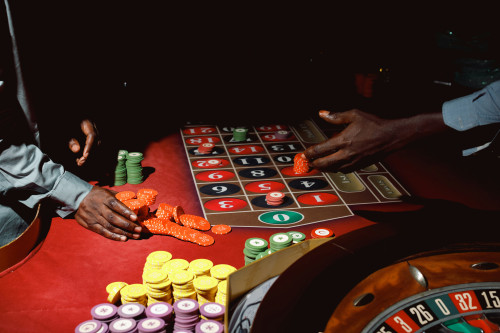
While observation can create a sense of control, it doesn’t change the math behind the game. In roulette, each spin is independent, and the odds of any given outcome remain the same no matter what happened before. Long streaks of red or black don’t signal what’s coming next—they’re just part of random variation.
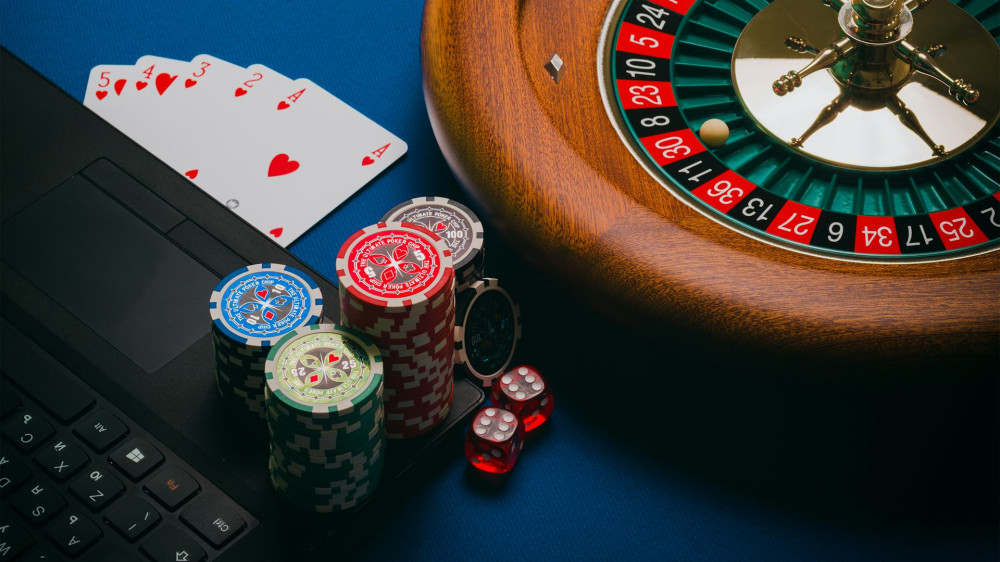
That doesn’t mean statistics are irrelevant. Understanding probability can help players choose strategies that fit their comfort with risk—like knowing the difference between a simple color bet and a high-risk single-number bet. Observation can complement that knowledge, but it can’t replace it.
The Psychological Dimension
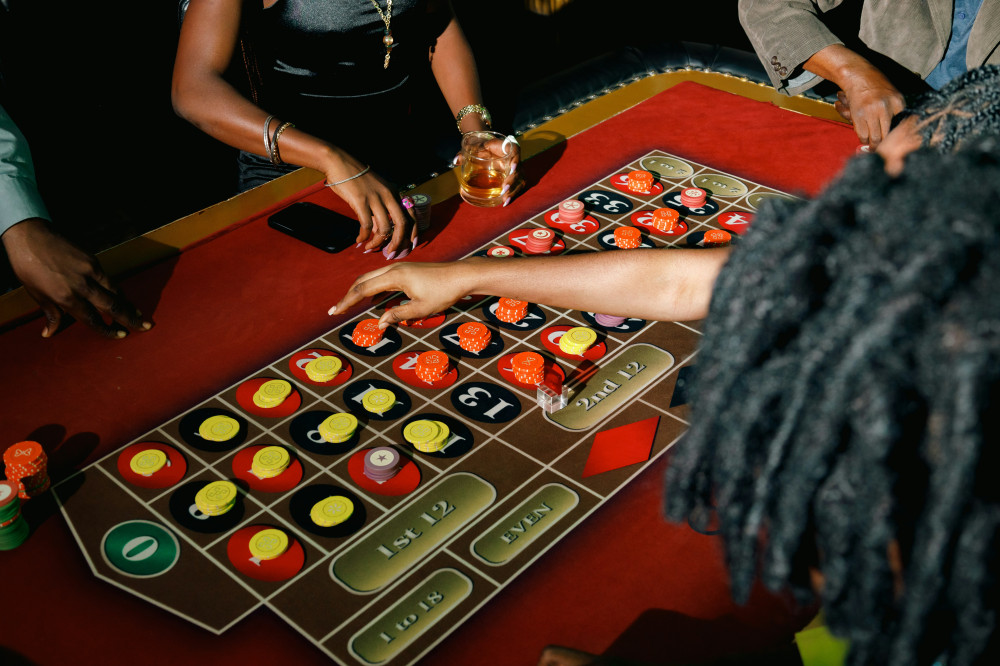
Observation can also serve as a way to manage the emotional side of gaming. Taking time to watch the game without participating can help you stay calm, read the atmosphere at the table, and notice how excitement or frustration affects your judgment.
Some players intentionally step back to observe after a losing streak, not because it changes the odds, but because it helps them reset mentally. Observation, in this sense, becomes a form of emotional regulation—a way to regain focus and perspective.
Observation as Part of Responsible Play
Ultimately, observation can be a valuable part of responsible gaming. It can create distance from impulsive behavior, offer insight into personal habits, and deepen understanding of how games of chance really work. But it should never be used as a tool to predict or “beat” the game.
To observe is to learn, not to control. And in that realization lies perhaps the most meaningful insight of all: while the game itself is governed by chance, the way we respond to it is something we can always refine and improve.
Læs også: