Myths and Facts: Understanding the House Edge in Roulette

Myths and Facts: Understanding the House Edge in Roulette
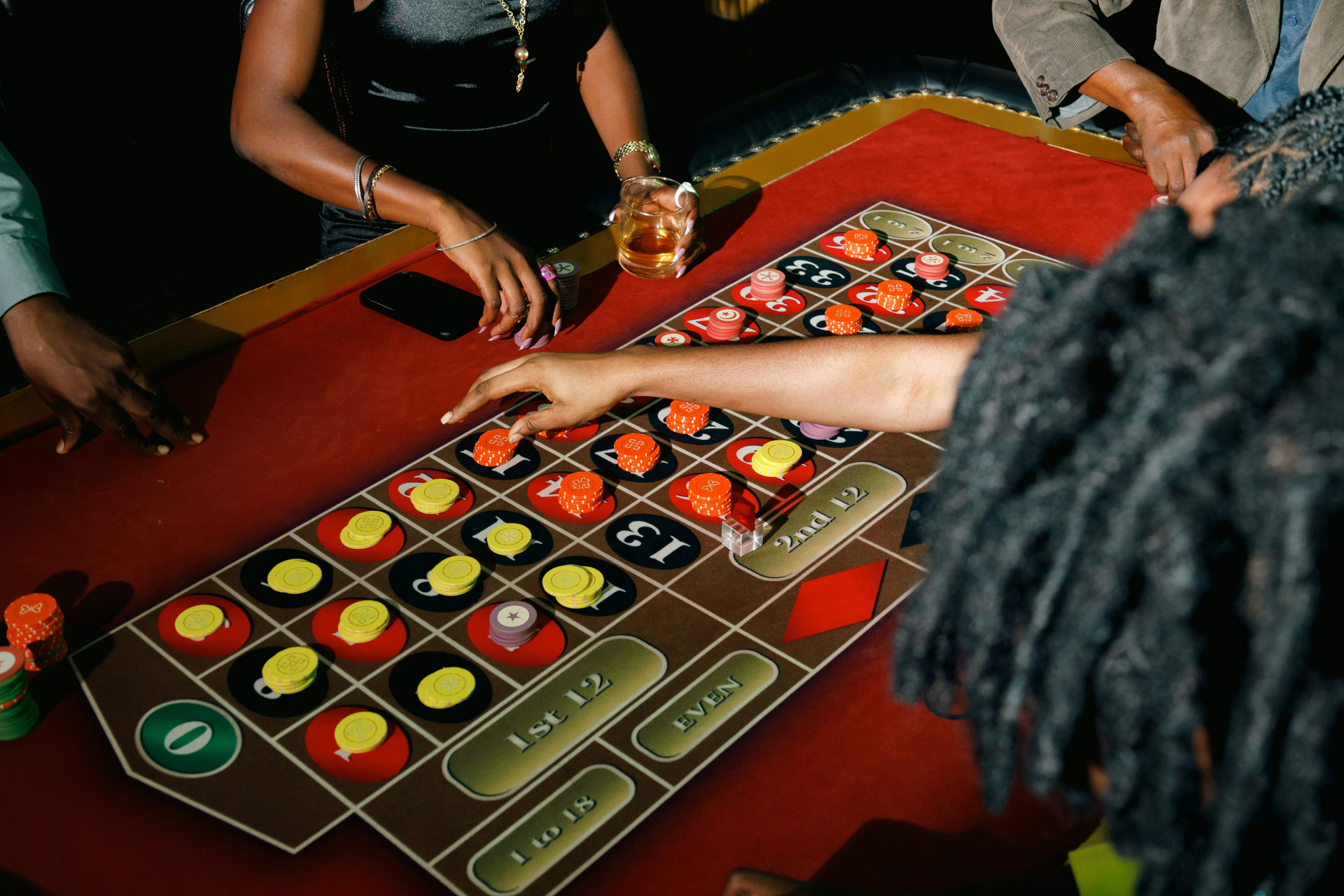
Roulette is one of the most iconic casino games in the world—a blend of chance, excitement, and a touch of strategy. But behind the spinning wheel and the red and black pockets lies a mathematical truth that many players overlook: the house edge. It’s the reason casinos always have a statistical advantage, no matter how lucky you feel. In this article, we’ll explore what the house edge really means and debunk some of the most common myths about roulette.
What Does the House Edge Mean?
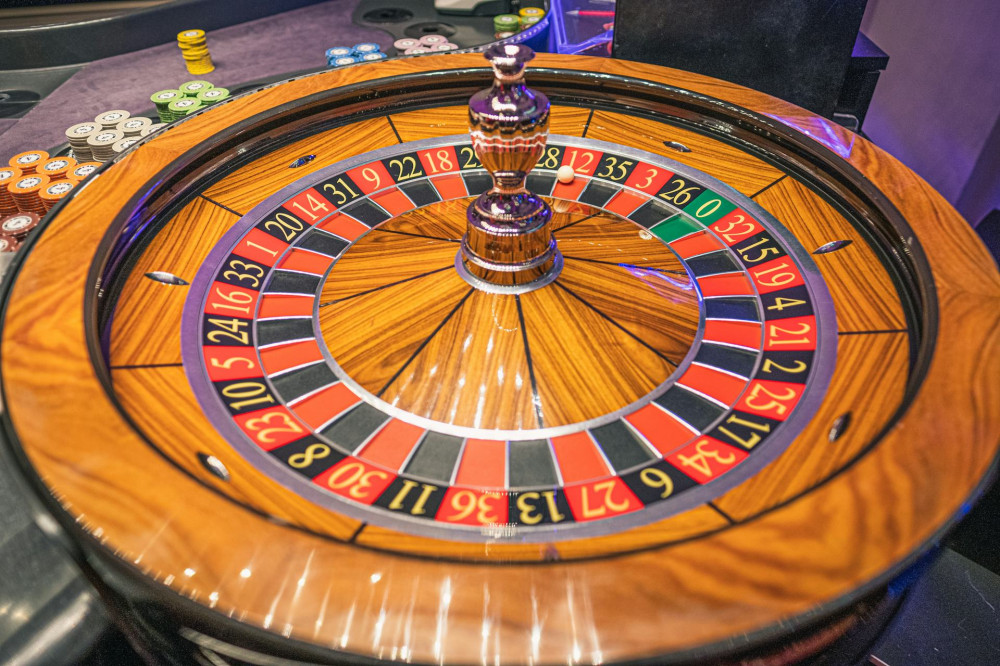
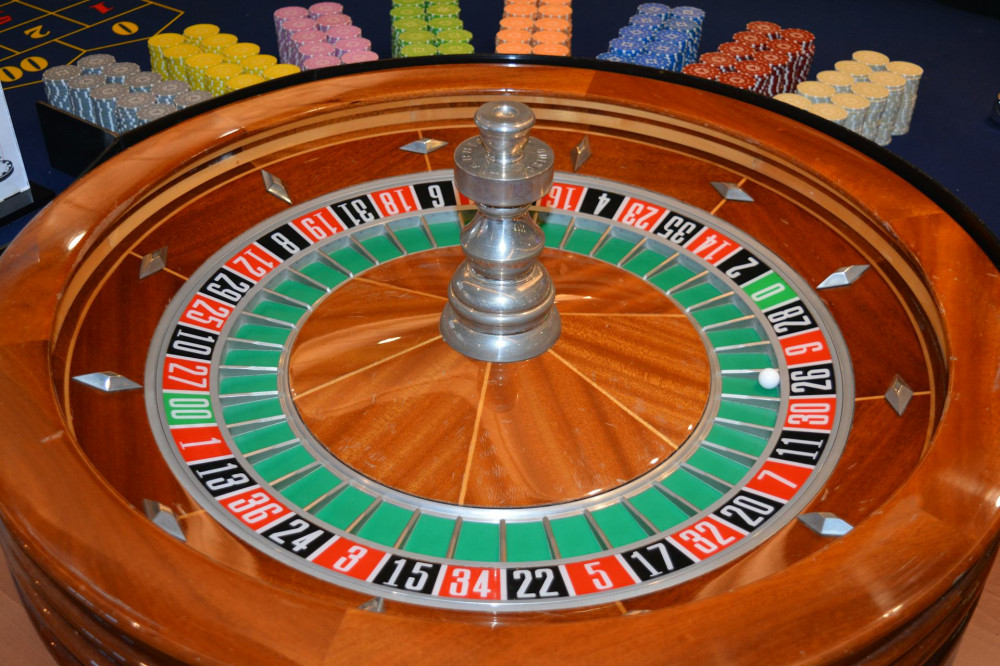
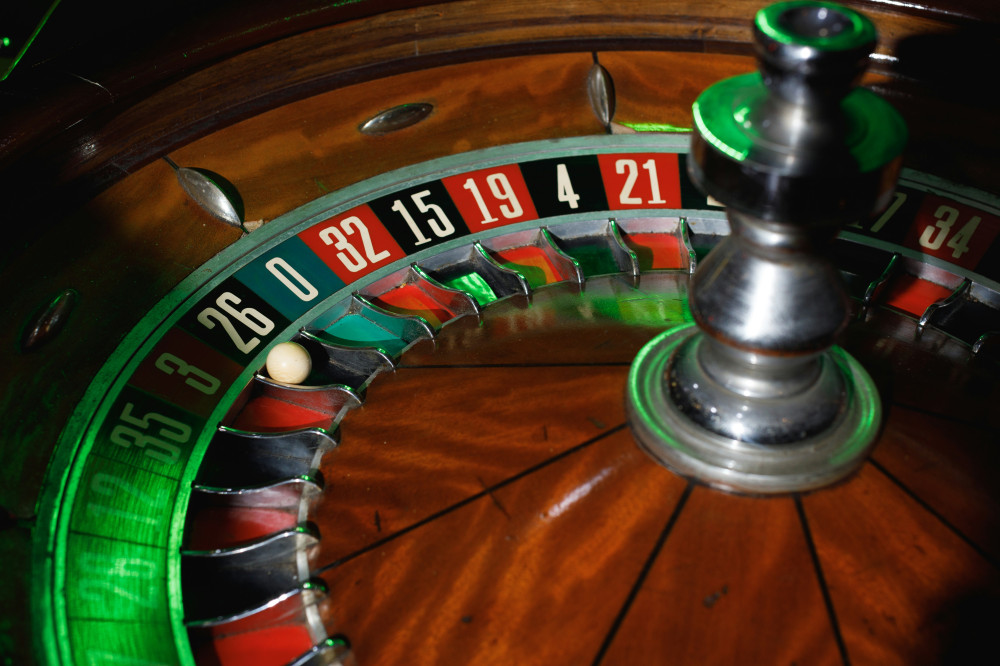
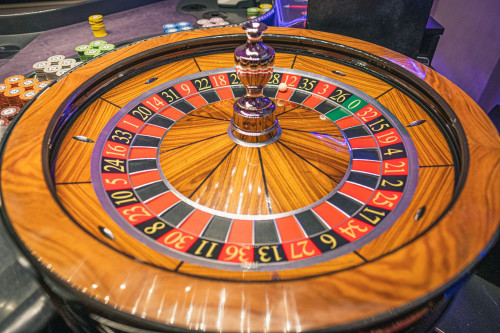
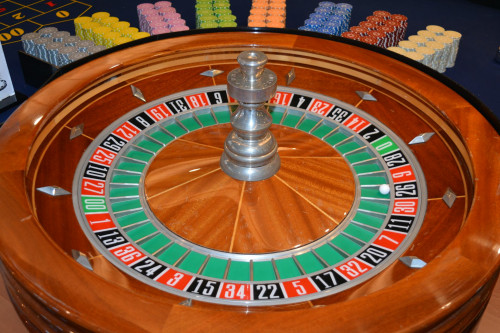
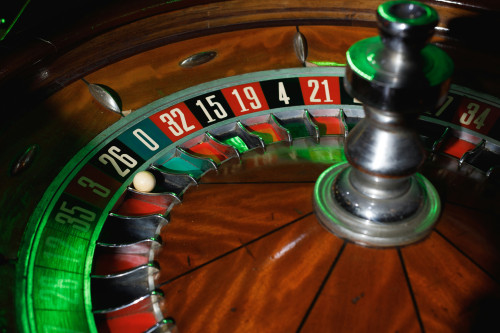
The house edge is the percentage the casino expects to win from each bet over time. In roulette, this advantage comes from the green zero pocket—and in American roulette, from the additional double zero as well. Those green pockets mean that the odds of hitting red or black, odd or even, aren’t truly 50/50, even though they might appear that way.
In European roulette, which has a single zero, the house edge is about 2.7%. That means that for every $100 wagered, the casino expects to earn $2.70 in the long run. In American roulette, which includes both a zero and a double zero, the house edge nearly doubles to around 5.26%.
Myth 1: “If I play long enough, luck will even out”
Many players believe that luck balances out over time and that they’re “due” for a win after a losing streak. But roulette outcomes are independent—each spin is separate from the last. The probability of the ball landing on red is the same every time, no matter how many times black has come up in a row. The house edge doesn’t change, and the longer you play, the more likely your results will align with the mathematical expectation—that is, the house wins.
Myth 2: “A betting system can beat roulette”
There’s no shortage of so‑called “foolproof” systems—Martingale, Fibonacci, Labouchere, and others—that claim to overcome the house edge by adjusting bet sizes. In reality, none of them work in the long term. They might produce short‑term wins, but the house edge always catches up. Most systems also require exponentially increasing bets, which quickly hit table limits or your own financial limits.
Læs også:
Myth 3: “European and American roulette are basically the same”
At first glance, the two versions look nearly identical, but the difference between one zero and two is significant. The extra double zero in American roulette almost doubles the house edge. That’s why experienced players prefer European roulette whenever possible—it simply offers better odds.
Myth 4: “Betting on more numbers increases my chances of winning”
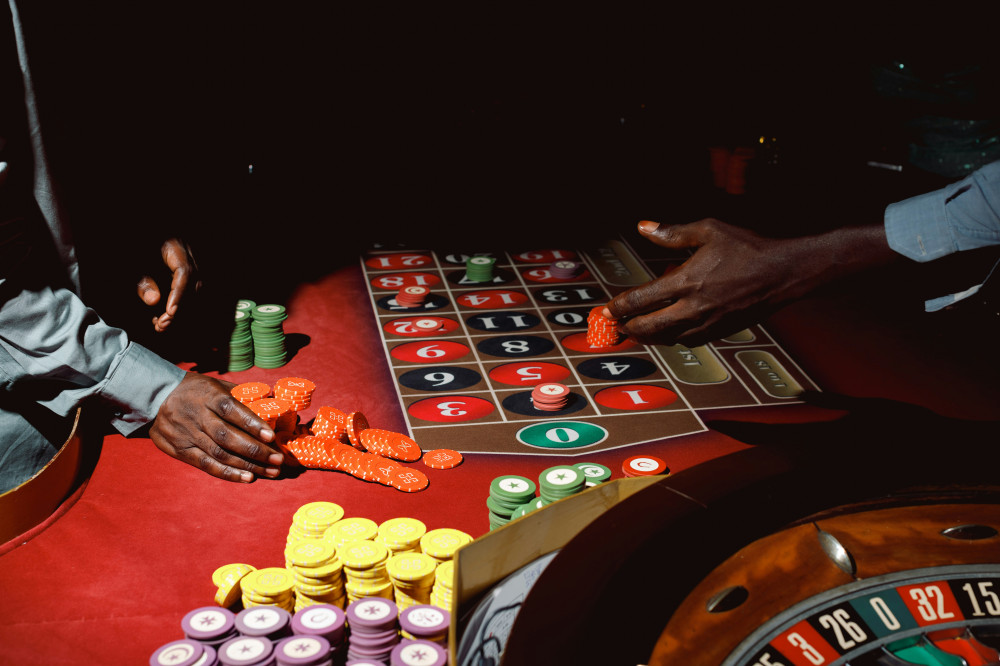
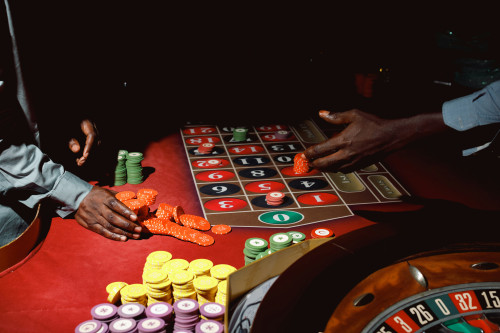
It’s true that covering more numbers means you’ll win more often, but the payout for each win is proportionally smaller. No matter how you spread your bets, the house edge remains the same. Roulette is designed so that every combination of bets yields the same average return for the casino.
Fact: How the House Edge Is Calculated
To see why the casino always has the advantage, consider a simple example. In European roulette, there are 37 pockets (numbers 1–36 plus 0). A straight‑up bet on a single number pays 35 to 1 if you win. But the true odds of winning are 1 in 37. If the game were perfectly fair, the payout would be 36 to 1. That one‑unit difference—between 36 and 35—is exactly what creates the house edge.
Can You Reduce the House Edge?
You can’t eliminate the house edge, but you can make choices that minimize it. Always choose European roulette over American when available, and look for tables with rules like La Partage or En Prison, which return half your even‑money bet if the ball lands on zero. These rules can reduce the house edge to about 1.35% on even‑money bets.
Most importantly, play responsibly. Roulette should be entertainment, not a money‑making strategy.
The Myth of the “Hot Table”
Some players believe certain tables or dealers are “lucky.” In reality, roulette outcomes are governed by physics and randomness. Modern casinos use precision‑engineered wheels that are regularly tested for bias, and online versions rely on certified random number generators to ensure fairness. There are no “hot” or “cold” tables—only random results.
Roulette as Entertainment, Not Investment
Roulette captivates players because it combines suspense, elegance, and the illusion of control. But at its core, it’s a game where mathematics always favors the house. That doesn’t mean you can’t enjoy it—it just means you should play with realistic expectations. Understanding the house edge isn’t about avoiding roulette; it’s about appreciating the game for what it is: a thrilling form of entertainment where chance, not strategy, rules the wheel.
Læs også: