What Happens in the Pause Between Live Casino Rounds?
A live casino round can appear pleasantly simple from your side of the screen. The dealer announces the game, wagers close and the result follows. Behind those few seconds, several systems are working together to record decisions, transmit the action and settle each result before the next round can begin.
The short pause between rounds is easy to overlook when the background information doesn’t concern you. You’re just watching cards being collected or a roulette ball returning to the dealer, while the studio is closing one game and preparing another. In the meantime, that brief interval helps explain why live tables have their own pace and why two versions of the same game can feel noticeably different.
The Betting Window Has a Real Deadline
A visit to the
betway casino live section gives you access to streamed versions of table games such as blackjack and roulette. Before joining one, it’s useful to understand that the countdown beside the table isn’t simply there for decoration. It represents the period during which the platform can accept your wager for the coming round.
Once the window closes, late instructions can’t be added. The dealer then proceeds with the cards, wheel or other physical equipment while the system records what occurs at the table.
A slow connection can make the countdown appear tighter than expected. Video usually reaches your screen a fraction later than events occur in the studio, so the interface may stop accepting wagers shortly before the dealer’s movements seem to require it. Placing your selection with a few seconds available can help you avoid an unnecessary scramble near zero.
The Dealer and Software Share the Work
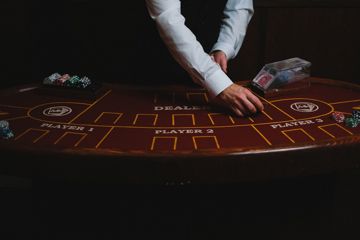
The dealer handles the visible parts of the game: cards, chips, roulette equipment and communication with the table. Software takes care of the information you see around the video feed, including countdowns, available decisions, previous results and settlement.
At a blackjack table, card values can be captured as they leave the shoe. Your interface then presents the appropriate choices, such as hit, stand, double or split, according to the hand and table rules. At roulette, sensors or camera-assisted systems can then identify the winning number after the ball settles.
The dealer isn’t personally
calculating and distributing every online balance before beginning the next round. Once the result is confirmed, the platform applies the game rules and updates the participating accounts.
Every Game Uses the Pause Differently
Blackjack tends to need a longer decision cycle because several players can receive separate hands. You could be finished after standing on your first two cards, while someone else still has to split a pair and make decisions on both resulting hands.
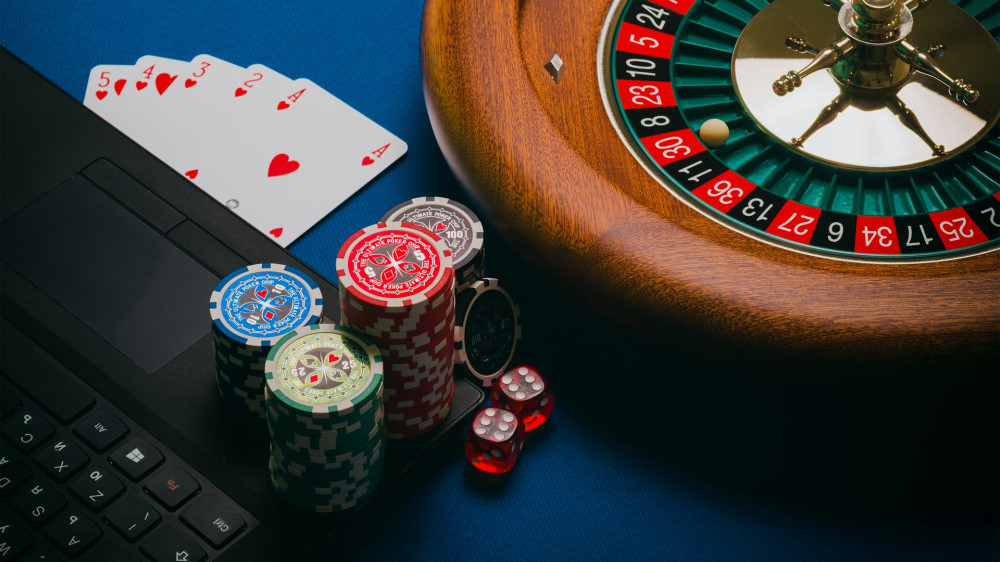
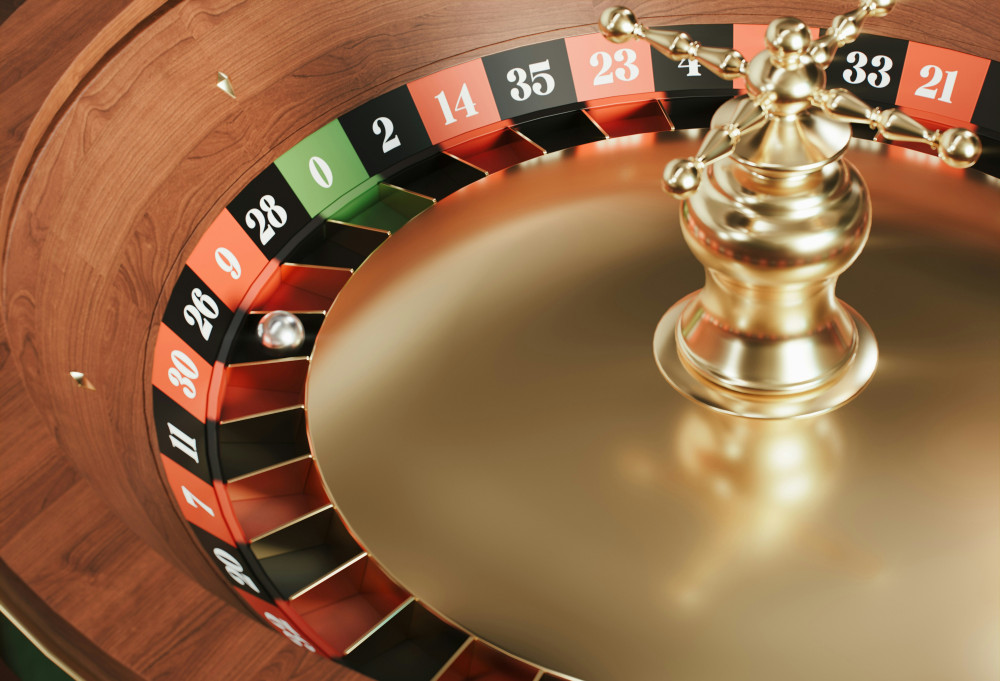
Roulette generally gives everyone the same betting window. Once wagers close, the wheel determines a single result for the entire table. The dealer clears the layout, prepares the next spin and reopens wagering.
Game-show tables can have longer presentation sequences because multipliers, wheels or bonus elements form part of the broadcast. Their pace is closer to a short studio program, with a host guiding viewers through each stage.
Fast tables reduce some of the gaps, but speed should be taken into consideration rather than treated as an automatic improvement. A short countdown gives you less time to read the table, confirm your stake and correct a mistaken selection.
The Table Information Tells You Plenty
Before entering a live game, look beyond the dealer thumbnail. The lobby can show the table minimum, maximum, language, available seats and current stage of play. Some previews also display recent outcomes, although those results don’t predict what will happen next.
Limits deserve a proper glance. A table with a low minimum can still include optional side wagers at different amounts. Blackjack tables might also use different rules for doubling, splitting or dealer play, while roulette wheels can follow European or other layouts. Read the published rules before assuming that two familiar-looking tables operate identically.
The number of occupied seats is particularly relevant in blackjack. A fuller table can produce longer rounds because more hands require cards and decisions. Roulette and baccarat accommodate participation differently, so the number of people watching doesn’t necessarily alter the dealing sequence in the same way.
Presentation preferences can
guide your choice as well. You might prefer a quiet dealer and a clean interface, or you could enjoy a busier table with chat and more commentary. Neither approach changes the underlying result, but it can affect how easy you find the game to follow.
A Few Seconds Keep the Table Orderly
The pause between rounds gives the dealer time to clear the table and gives the software time to confirm what happened. It also gives you a moment to check your selection instead of carrying one decision straight into the next.
Use that time deliberately. Confirm the stake, check whether repeat betting is active and decide whether you want to continue before the next countdown is nearly finished. If the stream freezes or the interface becomes unclear, waiting for another round is perfectly reasonable.
Live casino games are designed to feel immediate, but immediacy still requires orderly processing behind the screen. Those small pauses keep the physical table, video stream and account activity aligned.