Lottery with a Purpose – When Gaming Supports Community Projects

Lottery with a Purpose – When Gaming Supports Community Projects
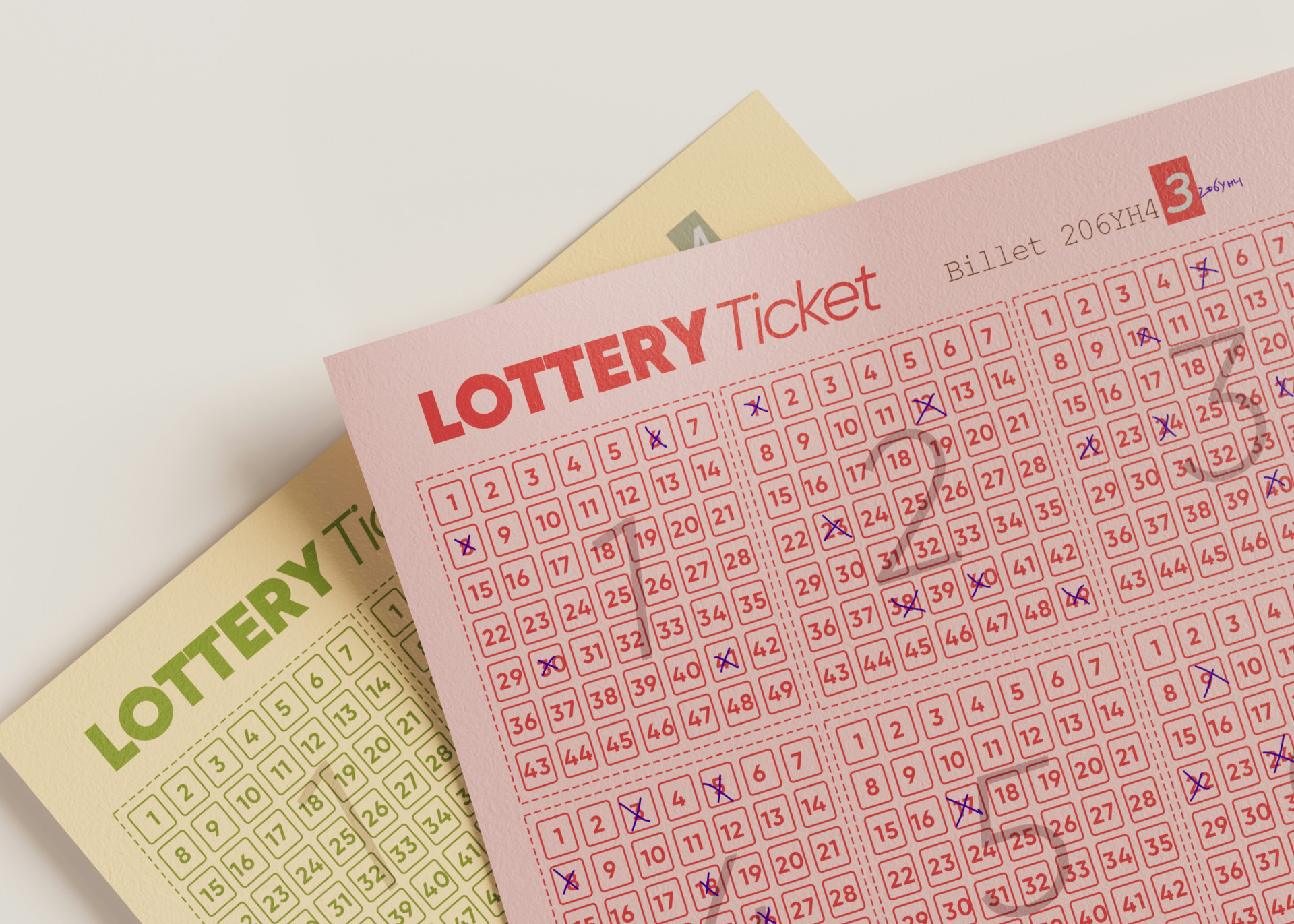
For many Americans, the lottery is synonymous with the dream of a life-changing win — paying off debts, buying a new home, or finally taking that long-awaited trip. But behind the excitement of the draw lies another story: one about how gaming can help strengthen communities. Across the United States, lotteries have become a vital source of funding for public education, parks, veterans’ programs, and other community initiatives. When you buy a ticket, you’re not just chasing luck — you’re also contributing to something bigger.
A Tradition Rooted in Public Good
Lotteries with a social purpose have deep roots in American history. In the 18th century, lotteries helped fund some of the nation’s earliest public works, including roads, bridges, and even universities like Harvard and Yale. Today, the principle remains the same: proceeds from state lotteries are directed toward causes that benefit the public.
Each state decides how to allocate its lottery revenue. In many states, a significant portion supports K–12 education, college scholarships, and school construction. Others channel funds into environmental conservation, senior services, or programs for veterans. This system allows citizens to contribute voluntarily to public projects simply by participating in a game of chance.
Læs også:


From Classrooms to Community Parks
Education is perhaps the most visible area where lottery funds make a difference. In states like Georgia and Tennessee, lottery proceeds have created scholarship programs that help thousands of students attend college each year. In California, lottery revenue supports public schools and community colleges, helping to provide classroom materials and extracurricular programs.
But the impact extends far beyond education. In Colorado, for example, lottery funds have helped preserve open spaces and build hiking and biking trails. In Maryland, proceeds support the state’s environmental trust and local recreation projects. These initiatives show how gaming revenue can be transformed into tangible improvements that enhance quality of life for residents.
Responsible Play – Balancing Fun and Awareness
While lotteries contribute to good causes, responsible gaming remains essential. State lottery commissions and retailers work to promote awareness about gambling risks and to prevent problem gambling. Many offer self-exclusion programs, age restrictions, and educational campaigns that encourage players to view the lottery as entertainment, not a financial solution.
This balance between enjoyment and responsibility is key to maintaining public trust. When players know that their participation supports meaningful projects — and that safeguards are in place — the lottery becomes more than a game; it becomes a shared civic effort.
A Modern Way to Support Communities
In an era when public budgets are often stretched thin, lotteries serve as an important supplement to traditional funding sources. They represent a voluntary form of giving, where individuals can contribute to community development while enjoying the thrill of possibility.
Digital technology has also transformed how Americans play. Online ticket sales, mobile apps, and digital drawings have made participation more convenient and transparent. Many state lotteries now highlight the community projects they fund, helping players see exactly where their dollars go. This transparency strengthens the connection between gaming and public good.
When Everyone Wins
For most players, the lottery is about hope — the simple joy of imagining “what if.” But even when the jackpot slips away, there’s still a sense of reward in knowing that each ticket helps fund schools, parks, and programs that benefit neighbors and future generations.
When gaming meets purpose, the result is more than entertainment. It’s a partnership between citizens and their communities — a reminder that sometimes, the real win is the difference we make together.
Læs også: